

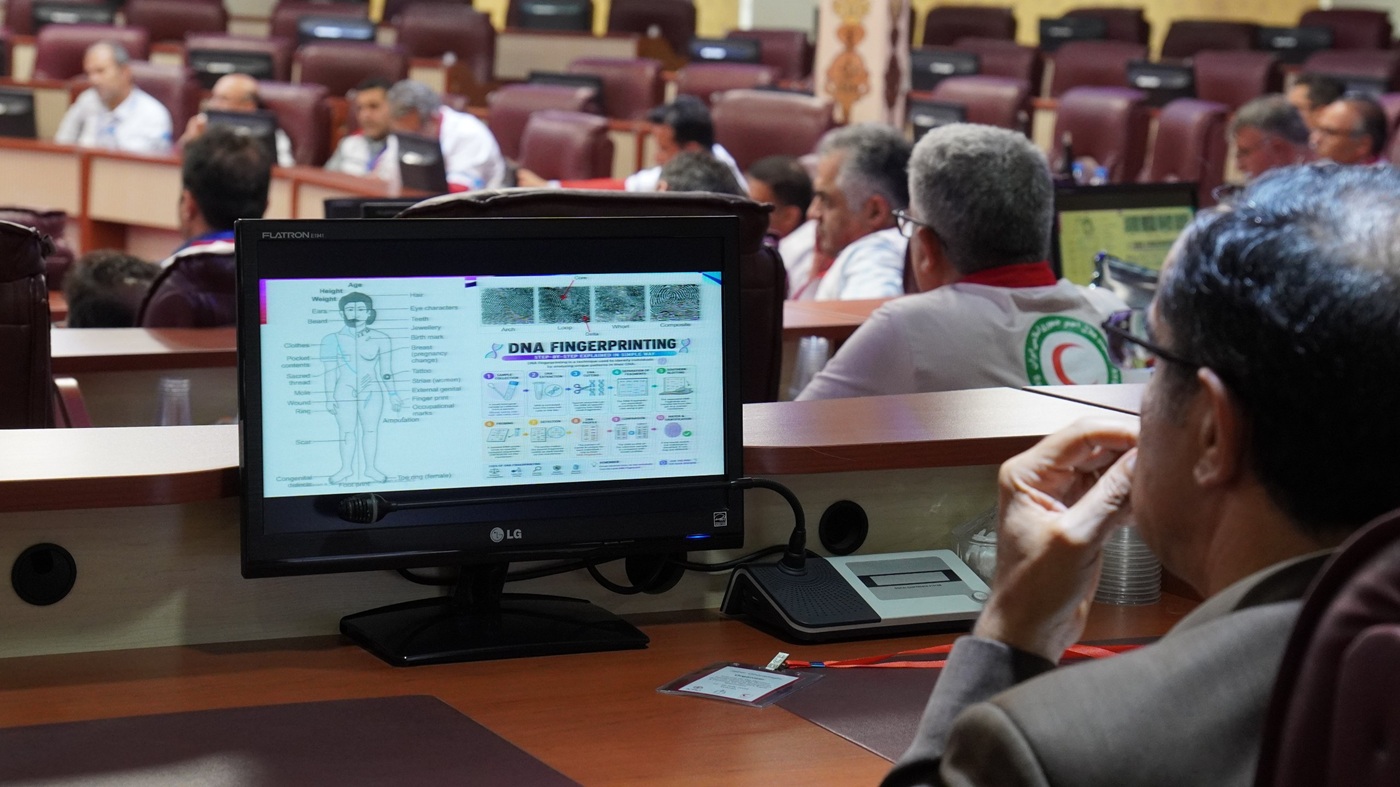
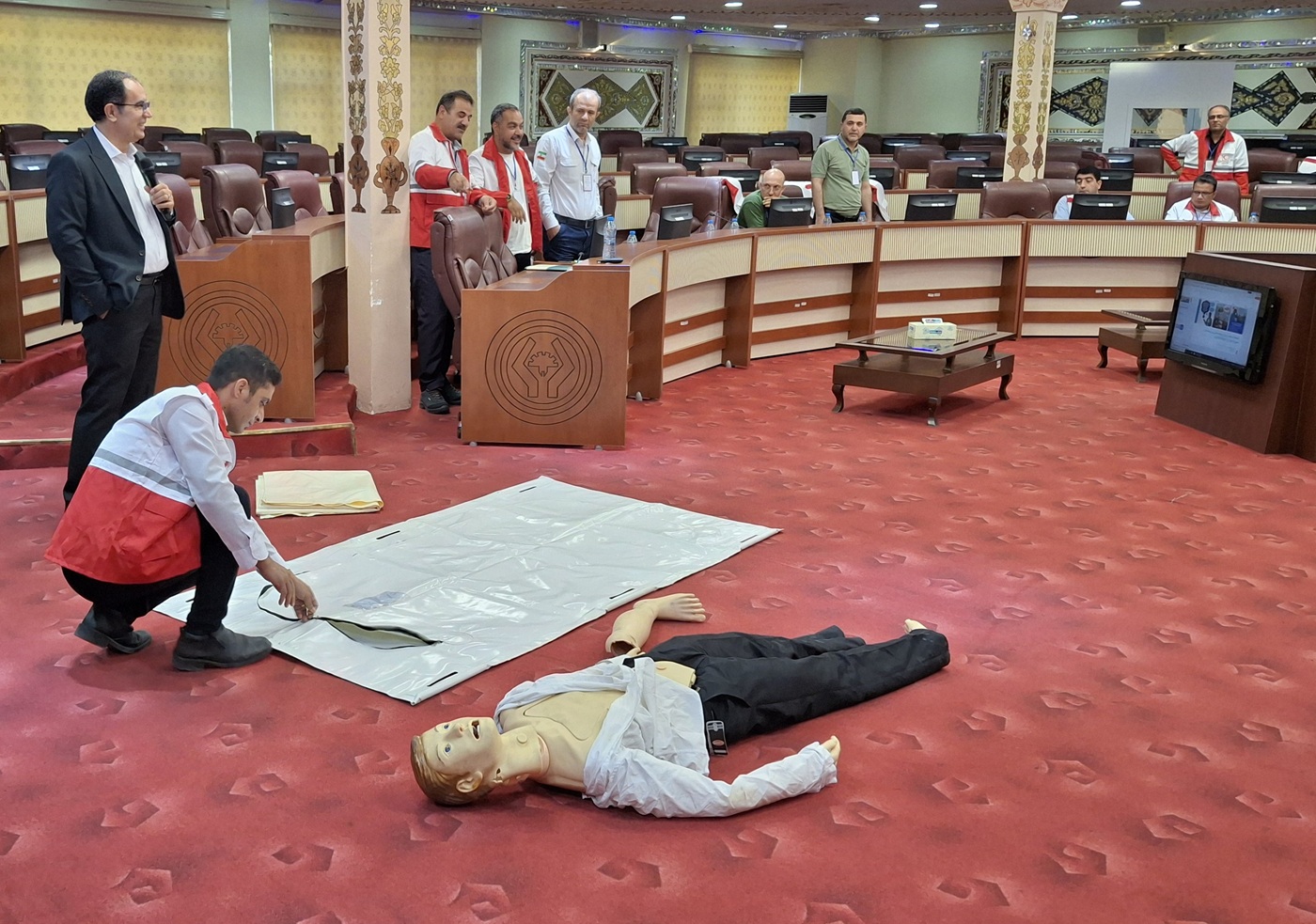
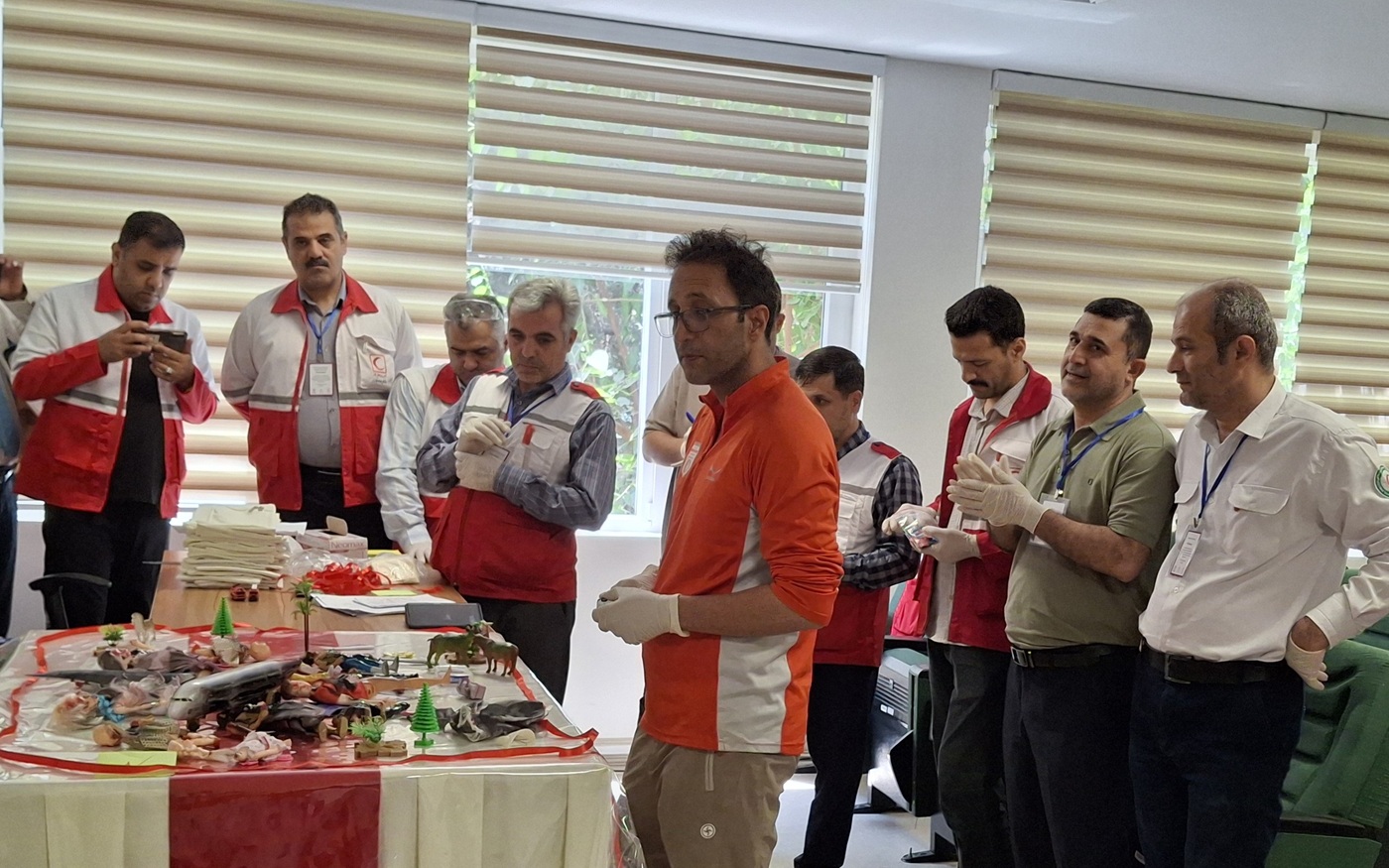
A two-day training course, titled “Dignified Management of the Deceased – Recovery Phase” and aimed to enhance the knowledge and skills of Iranian Red Crescent Society’s operational relief and rescue teams regarding the dignified management of bodies during emergencies and mass casualty incidents was jointly held by the Department of International Affairs and IHL of the Iranian Red Crescent Society (IRCS), the International Committee of the Red Cross (ICRC) in Tehran, and the Iranian Legal Medicine Organization (LMO). The course focused on humanitarian principles, body collection and transportation, documentation, chain of responsibility, psychological support for survivors, and practical exercises.
“In addition to preserving the dignity of the deceased, dignified management of the dead helps clarify the fate of individuals and respond to the needs of families searching for their loved ones. We hope this course provides an opportunity to transfer international experiences and strengthen the preparedness of operational teams,” said Roman Paramonov, Deputy Head of ICRC in Tehran, during the opening ceremony.
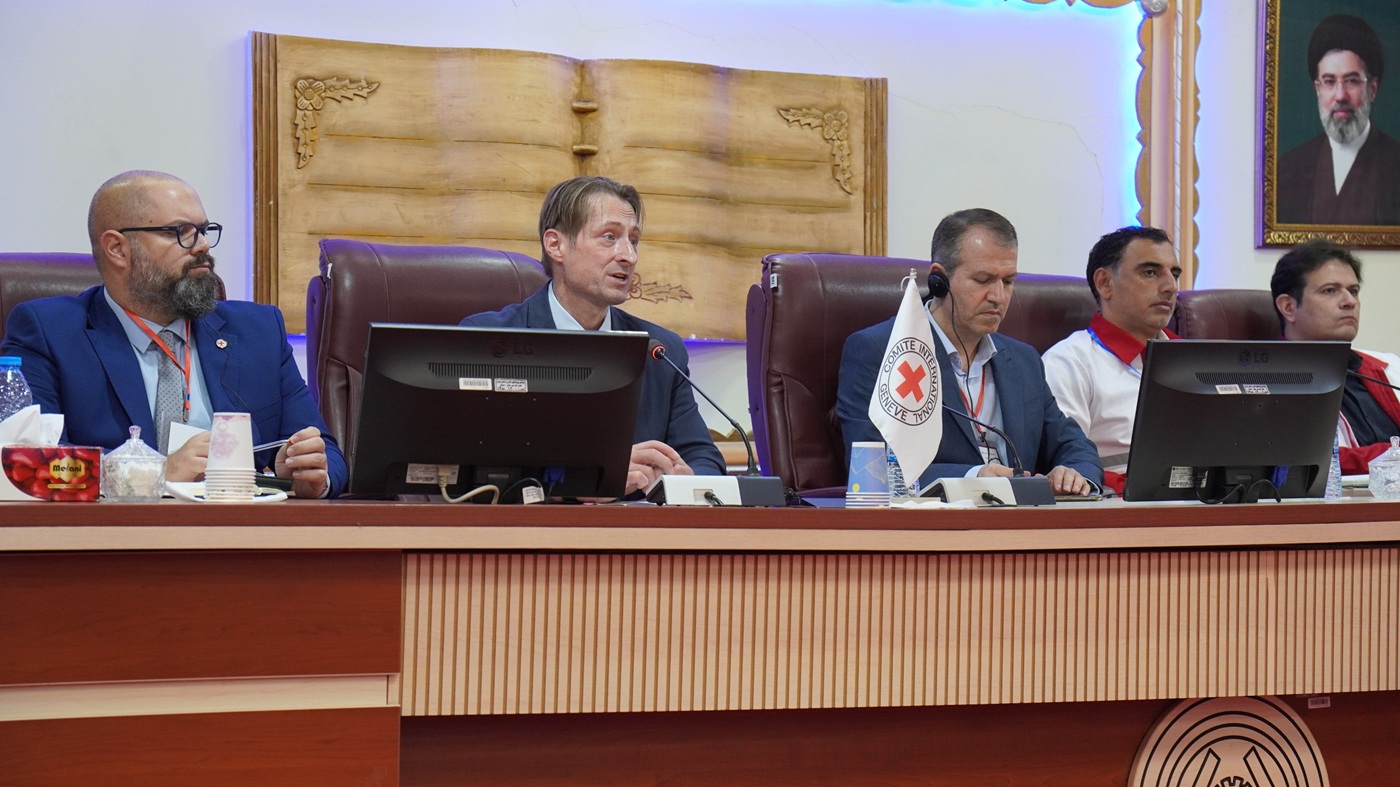
“Proper and dignified collection of bodies is the first step in crisis management and determining the fate of the deceased,” reiterated” Dr. Daniel Tabatabaei, Director General of IRCS International Humanitarian Operations and Programs, emphasizing the importance of the course. “Collaboration between the IRCS, the ICRC, and the LMO plays a crucial role in enhancing the specialized capabilities and coordination among agencies in charge,” he added.
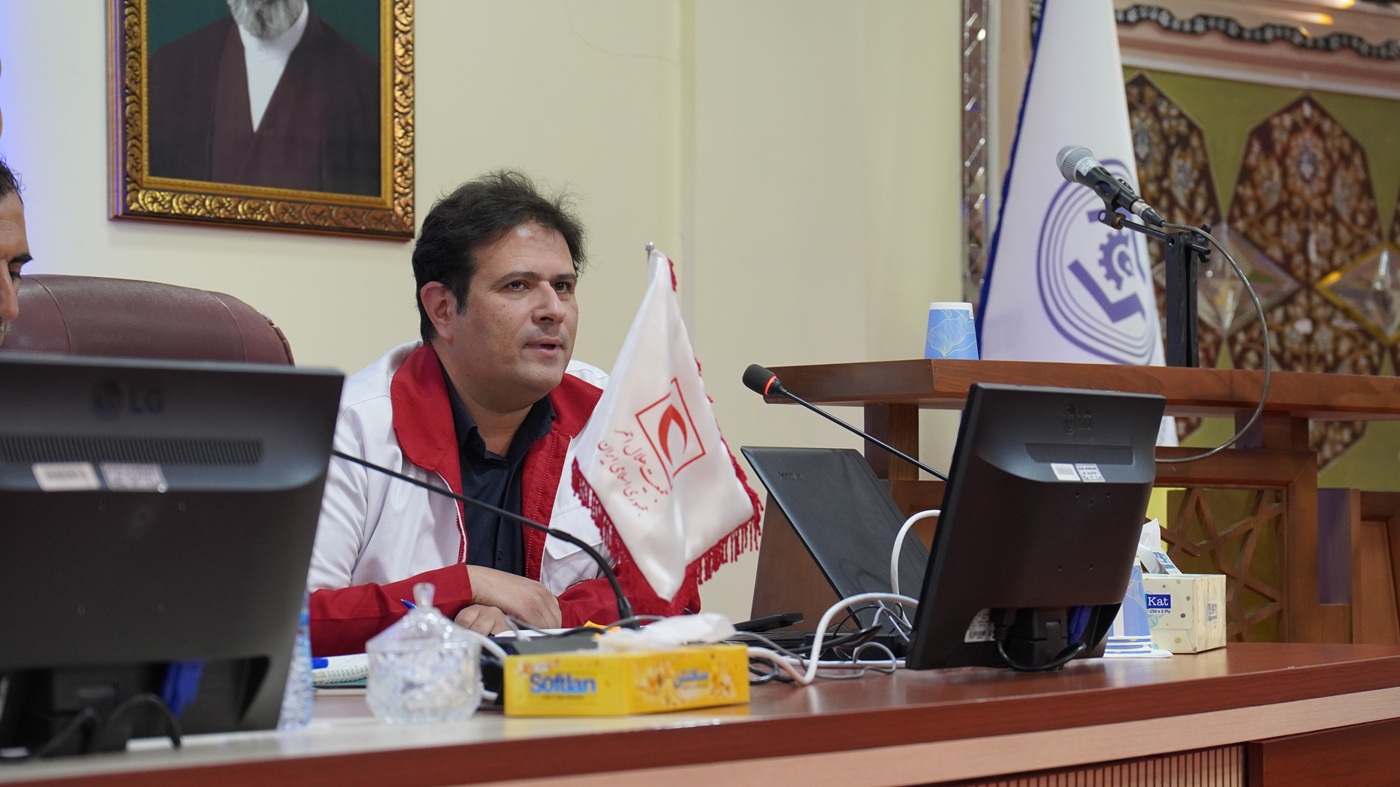
Dr. Behzad Valizadeh, Director General of the LMO Education and Scientific Cooperation, also emphasized the importance of dignified management of the dead by crisis management teams during disasters. “I am confident that this course will have a positive impact on the performance of all institutions and organizations responsible for crisis management in the country. Given that the LMO bears primary responsibility for identifying the deceased in incidents, the establishment of effective communication and coordination among members of crisis management teams are of utmost importance,” he said. “Identification is a process that begins from the very moment an incident occurs and requires timely action and proper collection of information and evidence. These measures pave the ground for the proper implementation of the recovery process, identification of the deceased, and the provision of the necessary conditions to preserve their dignity, and express appropriate empathy to their families,” he added.
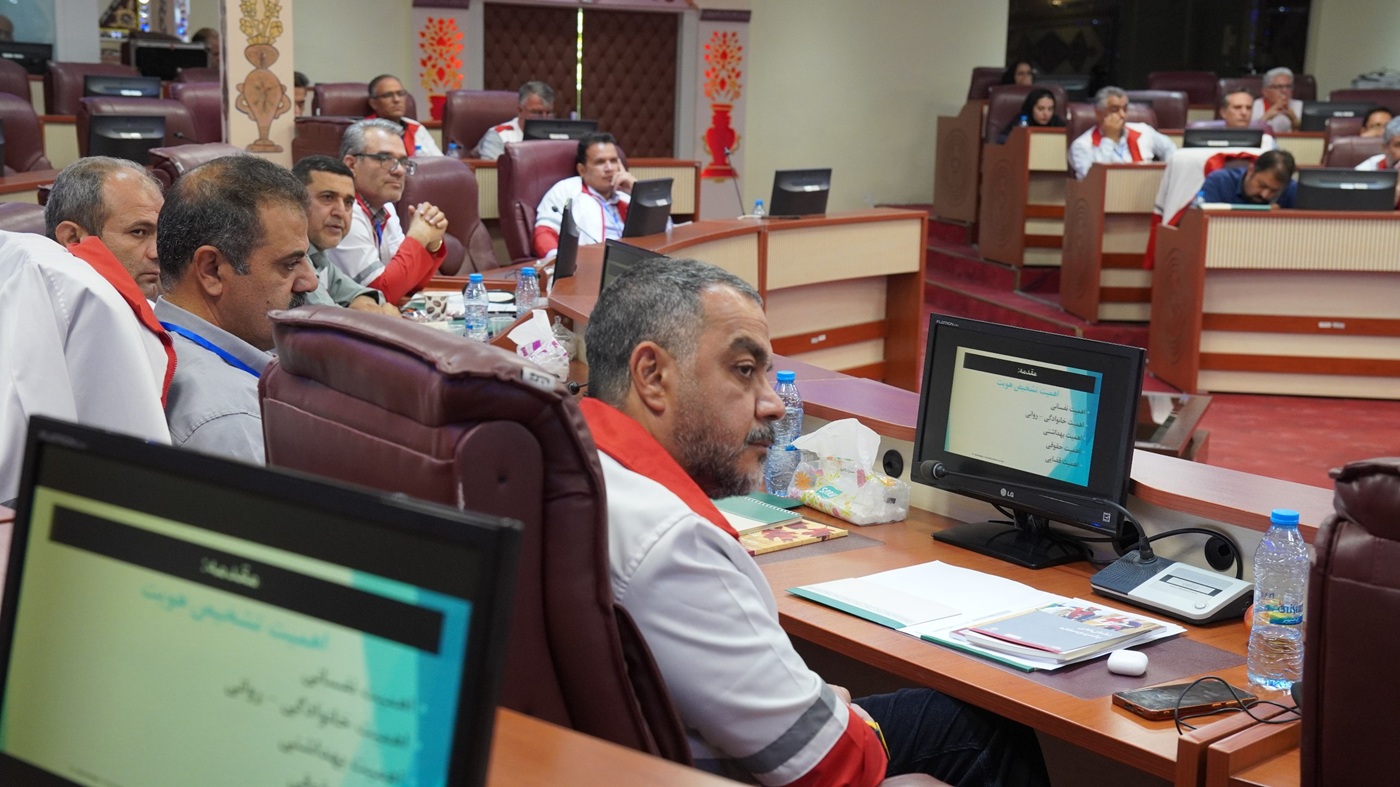
The two-day workshop includes theoretical discussions and specialized sessions. At the end of the workshop, participants will apply what they have learned in practical exercises with simulated scenarios.
Comments