Iran hosts a large community of migrants and provides a wide range of services to Afghan migrants across the country. Since 2013, in partnership with the Iranian Red Crescent Society (IRCS) and the Society for Recovery Support (SRS), an Iranian non-governmental organization, the ICRC has been supporting the provision of healthcare services to vulnerable Afghan migrants and their host communities in the outskirts of Mashhad, Khorasan Razavi province, one of the main areas of settlement for Afghan migrants in Iran.
Over the years, the programme has evolved from providing basic health services to a comprehensive primary healthcare approach, including referral mechanisms to secondary healthcare, hygiene and health education, harm reduction services, mental health and psychosocial support (MHPSS) and physical rehabilitation services.
The programme has also focused on improving the prevention and management of non-communicable diseases (NCDs), including diabetes, hypertension, and respiratory conditions such as asthma, through standardized care practices, capacity-building for healthcare providers, and a family-based approach. Targeted training has also been provided to healthcare providers to improve the quality of care for people living with chronic conditions.
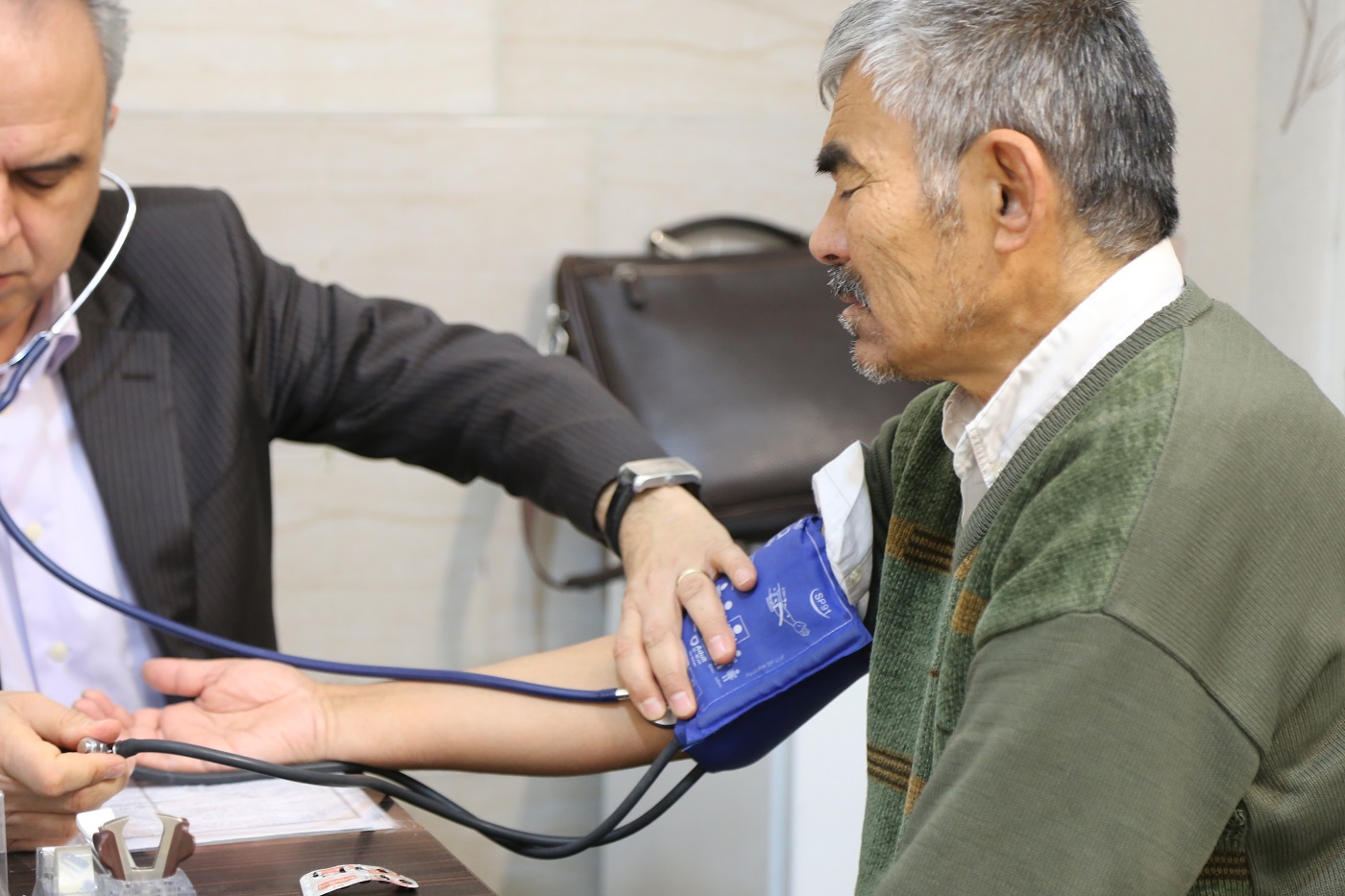
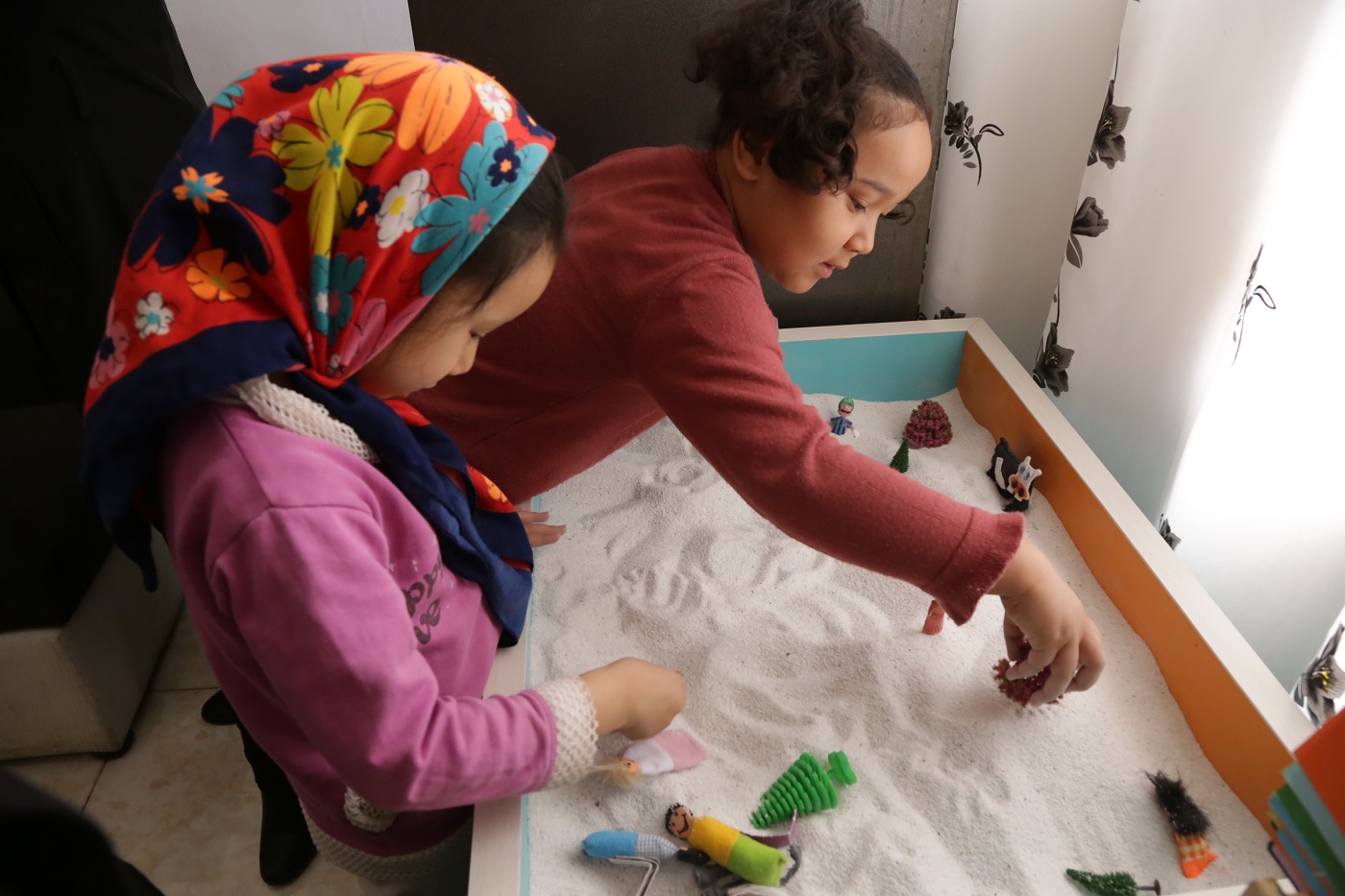
Building on these efforts, the programme continues to provide a range of integrated healthcare services to vulnerable Afghan migrants and their host communities, including medical consultations and referrals for diagnostic and specialized healthcare services. MHPSS is also provided through facility-based and community-level interventions, including individual MHPSS sessions and awareness and psychosocial support sessions.
Following the recent escalation and conflict-related events in Iran, the ICRC has expanded its support to strengthen emergency health-response capacities and address emerging health needs.
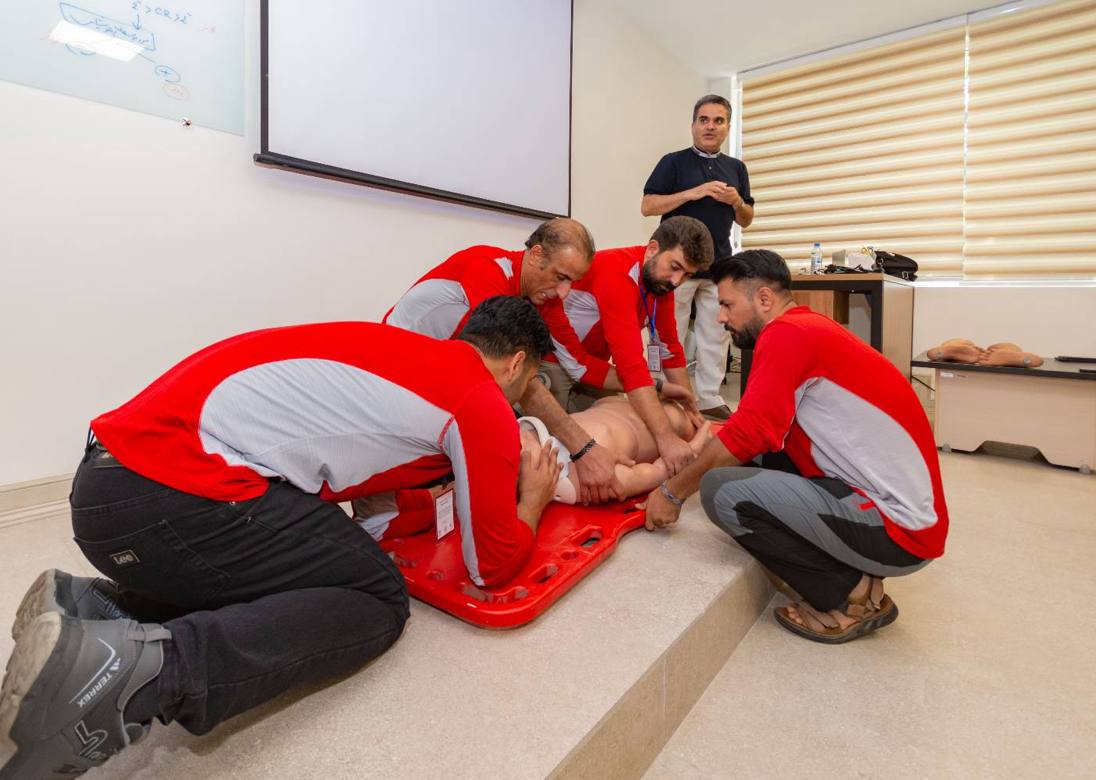
This support has included strengthening first-aid and pre-hospital emergency-care capacities and providing MHPSS support to first responders and people affected by the crisis, including communities experiencing increased stress, displacement, or disruption of essential services.