The ICRC in Tehran began supporting the identification process of human remains from the Iraq-Iran war in 2005. This support initially began with a series of assessments in 2006 and 2007. Based on the findings, a capacity-building initiative on forensic human identification was carried out to strengthen the capacities of those involved in the recovery and identification of human remains in 2008. In addition, an agreement to provide DNA identification equipment was signed in January 2009 for both the Kawsar Noor Human Genetic Research Center and the Iranian Legal Medicine Organization (LMO) to ensure that the scientific identification of human remains from the war could be achieved to establish accurate identities and be returned to their families. As part of the objectives of resolving cases of missing soldiers from the Iraq-Iran war, the ICRC continues to provide relevant technical support to strengthen forensic capacities, in line with its humanitarian forensic action mandate.
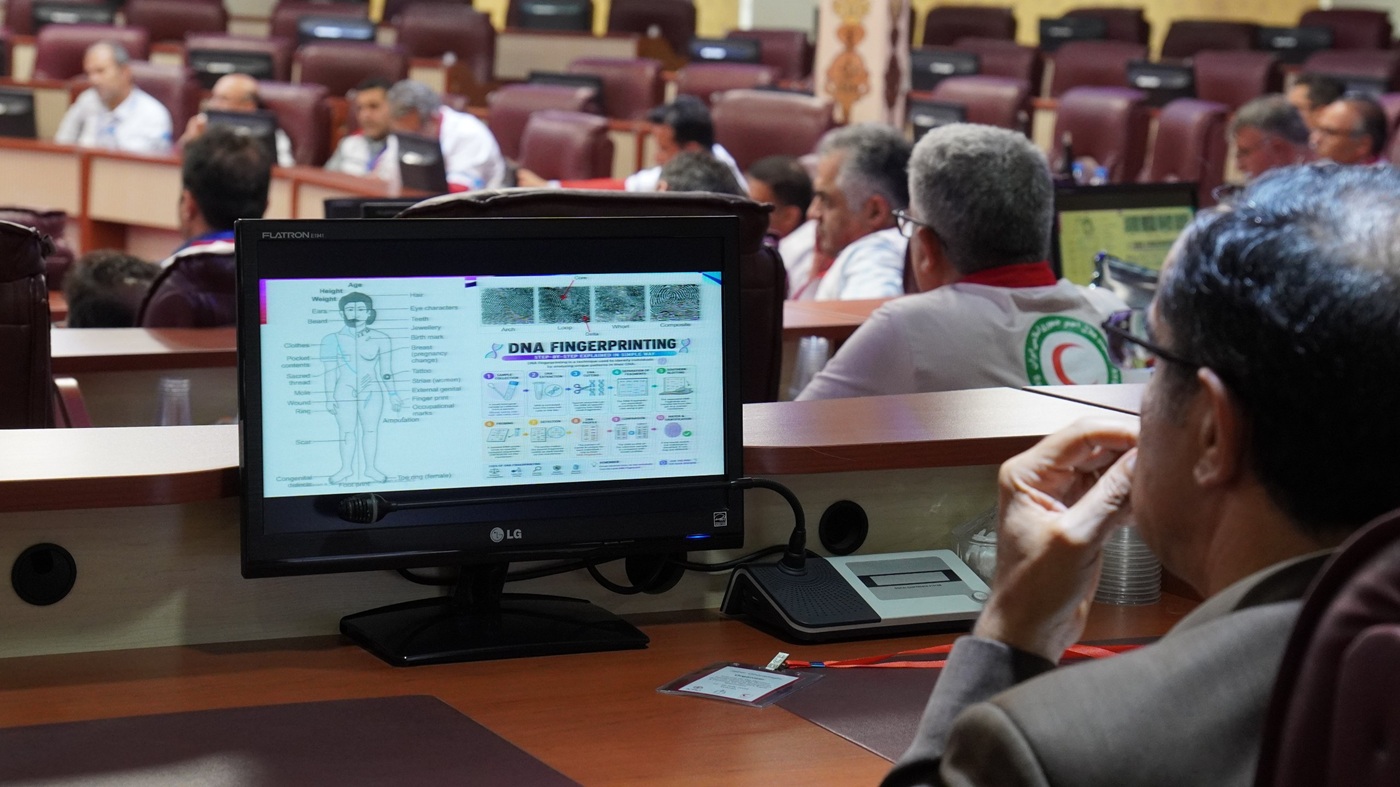
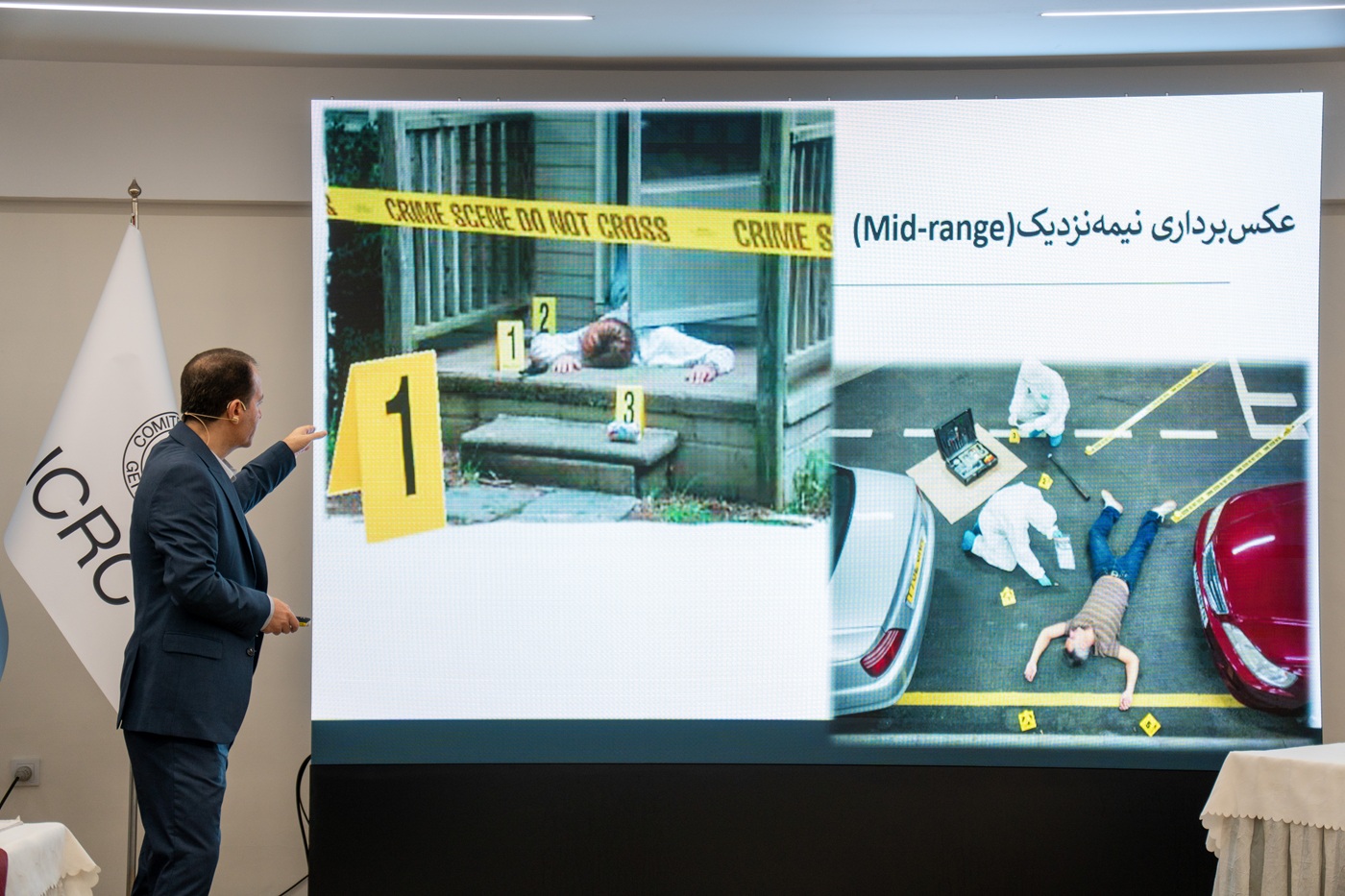
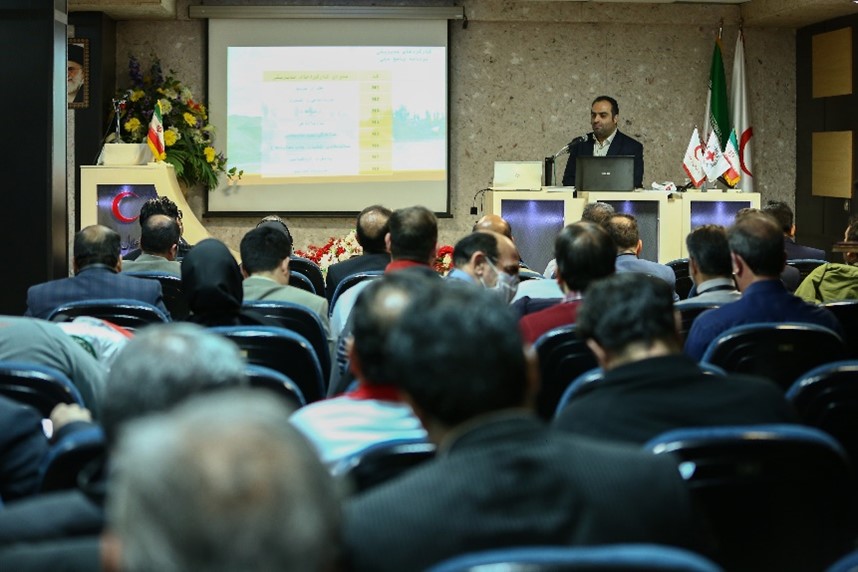
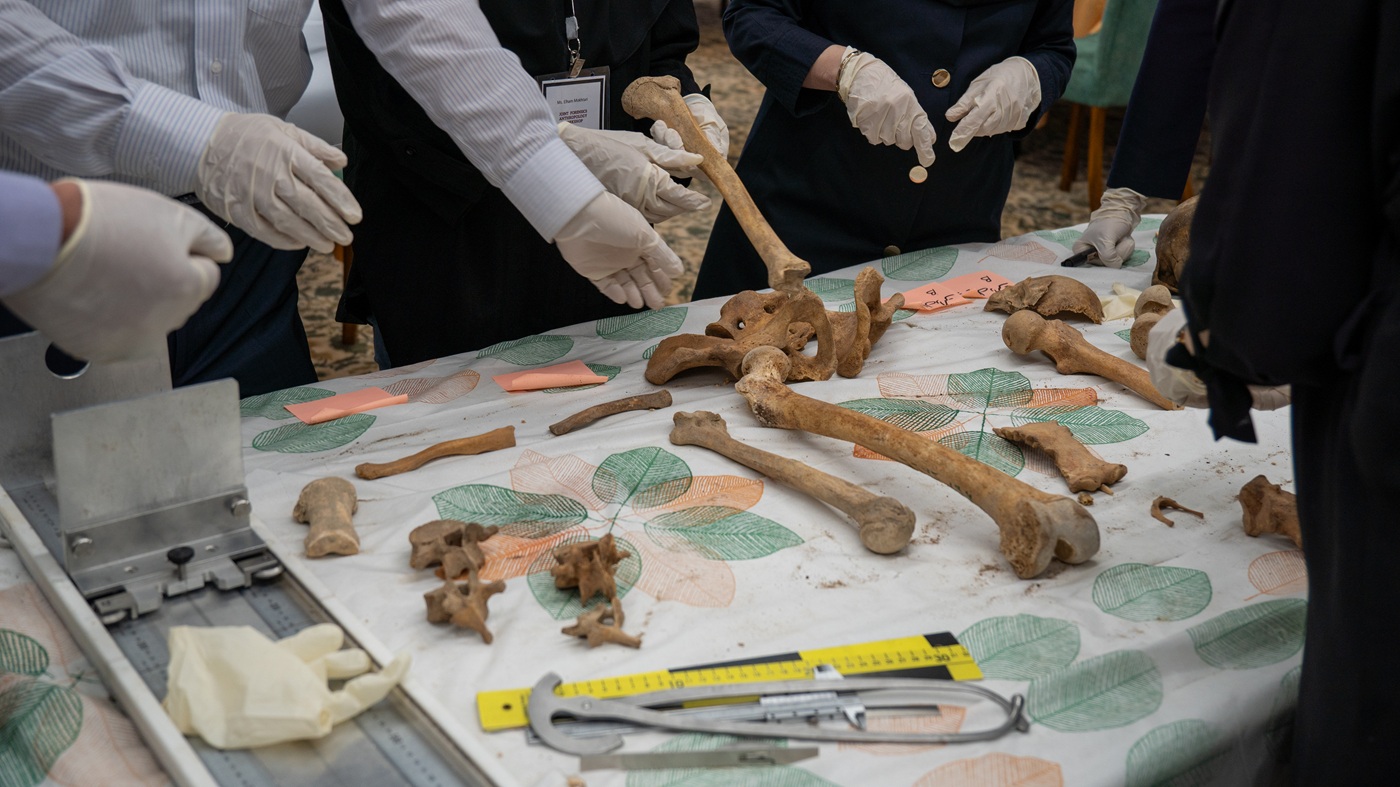
The humanitarian forensic action in Iran aims to strengthen the medico-legal system and forensic institutions, in charge of providing services to people affected by conflict, migration and emergencies in compliance with the internationally accepted standards. To that end, the ICRC works closely with the Search and Rescue Committee, the Noor Forensic Genetic Research Centre, the Meraj Shohada Centre, LMO, and the Iranian Red Crescent Society (IRCS) to strengthen forensic capacities by hosting workshops, roundtables, facilitating participation in international conferences, and symposia of key stakeholders.
The ICRC also supports the Tripartite Mechanism (the Islamic Republic of Iran, Republic of Iraq, and the ICRC) for resolving cases of missing soldiers from the Iraq-Iran war(1980–1988) by providing technical and material support.
Another aspect of the ICRC’s work in Iran is facilitating networking opportunities between national institutions and the international forensic community to promote the exchange of expertise, methodologies and good practices on the search for and identification of missing and deceased persons affected by conflict, emergencies and migration.
As part of its mandate, the ICRC also promotes the dignified management of the deceased, including during emergencies with the key stakeholders such as the LMO and the IRCS.